
AIM Text
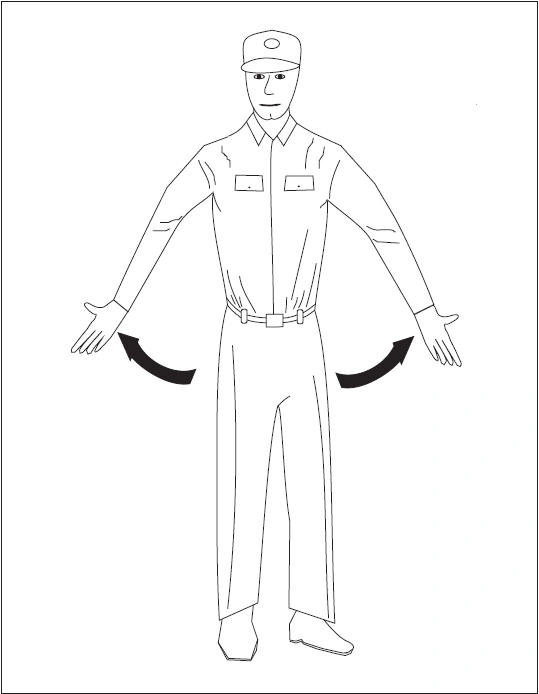
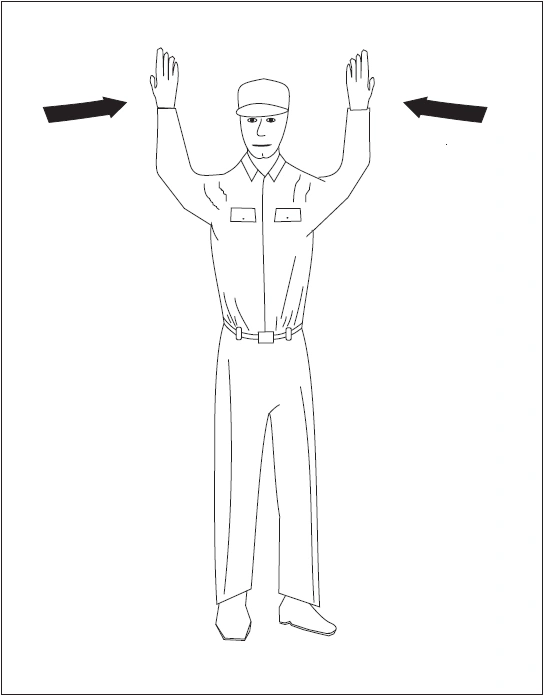
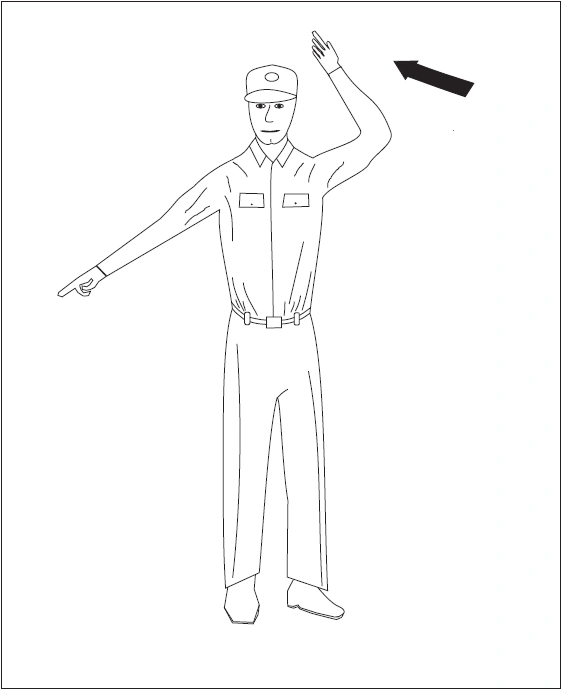
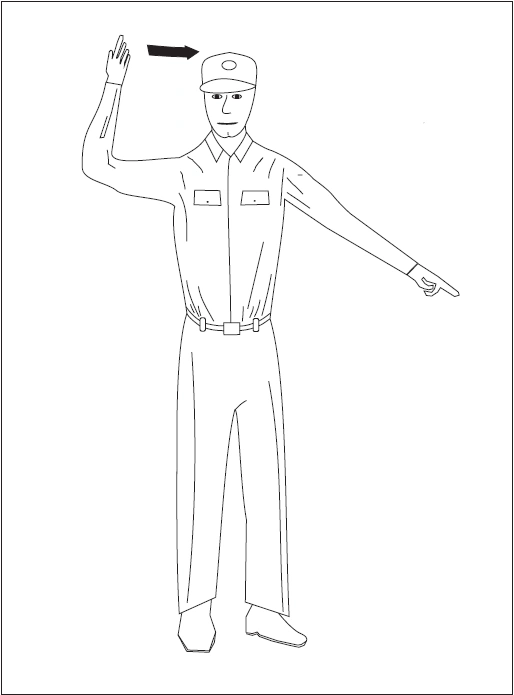
Source: FAA Aeronautical Information Manual · current edition · paragraph 4-3-26.
The short answer
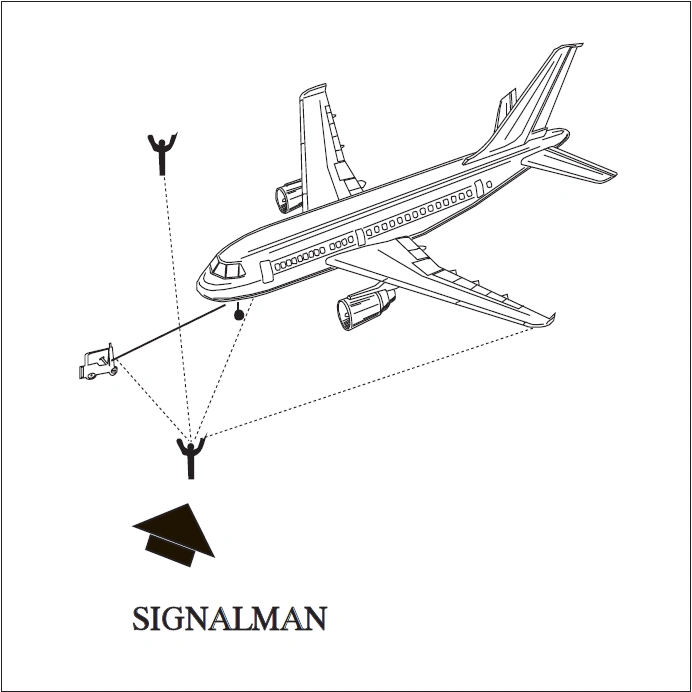
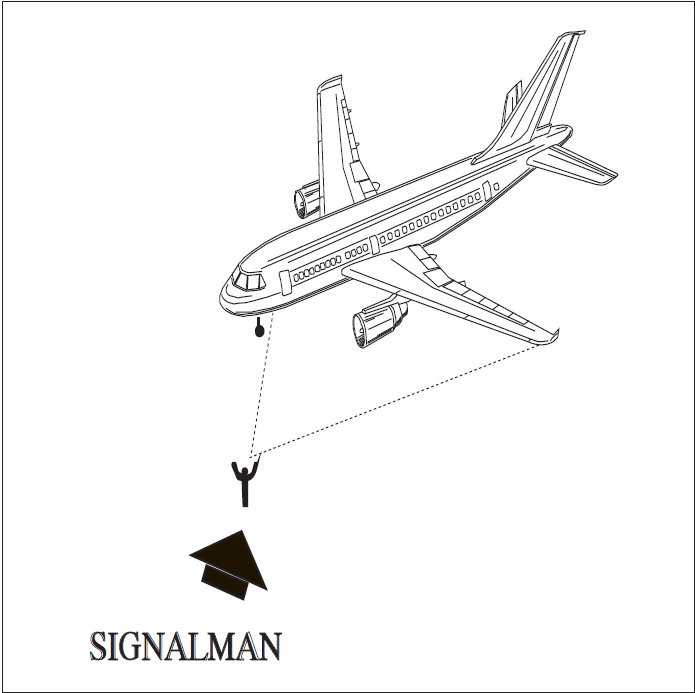
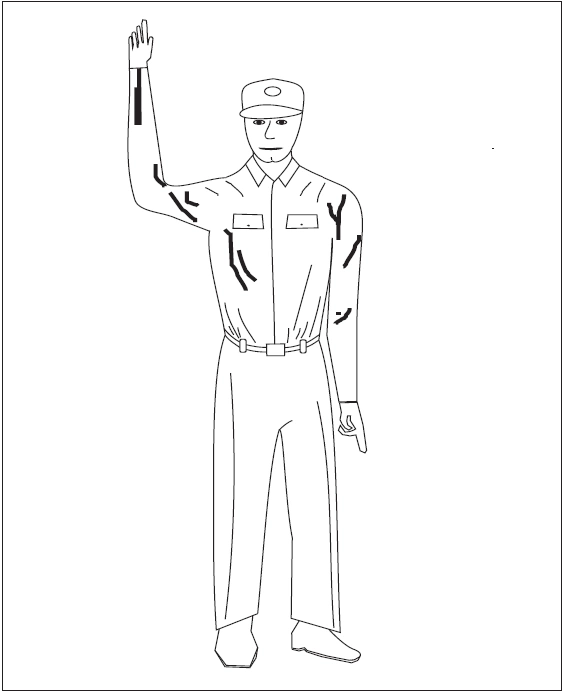
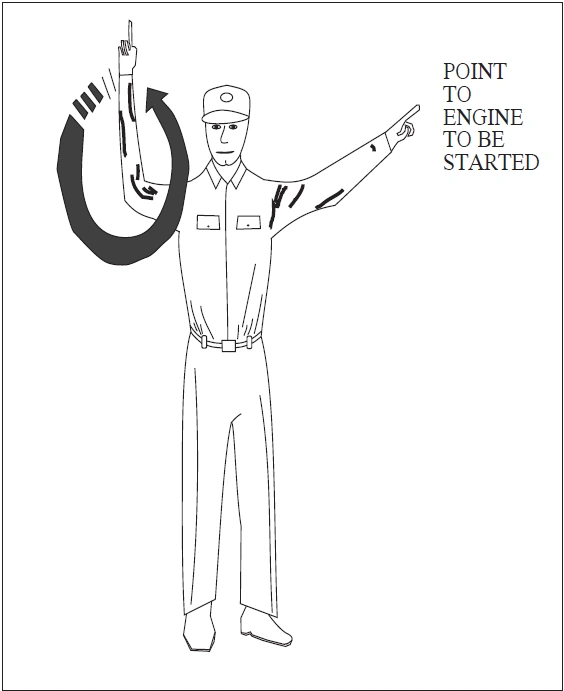
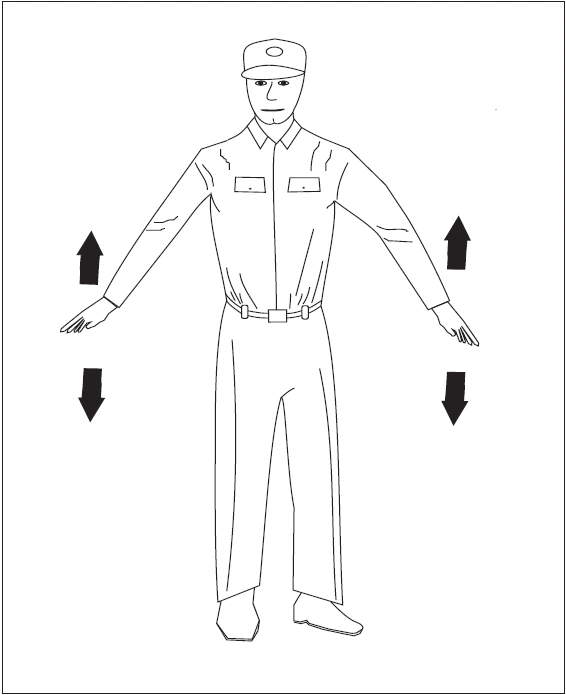
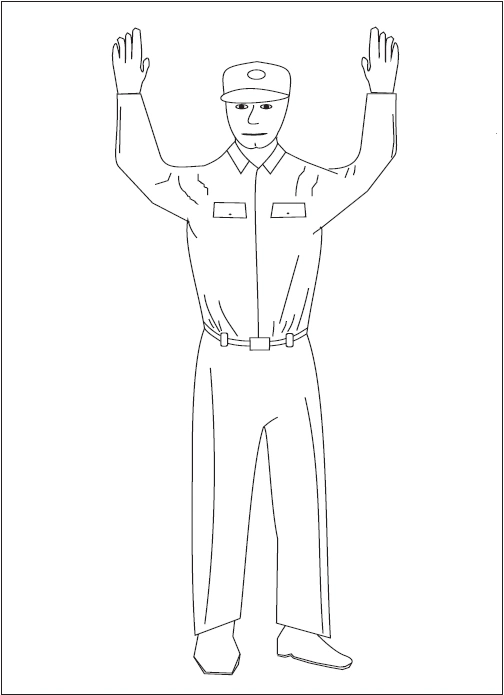
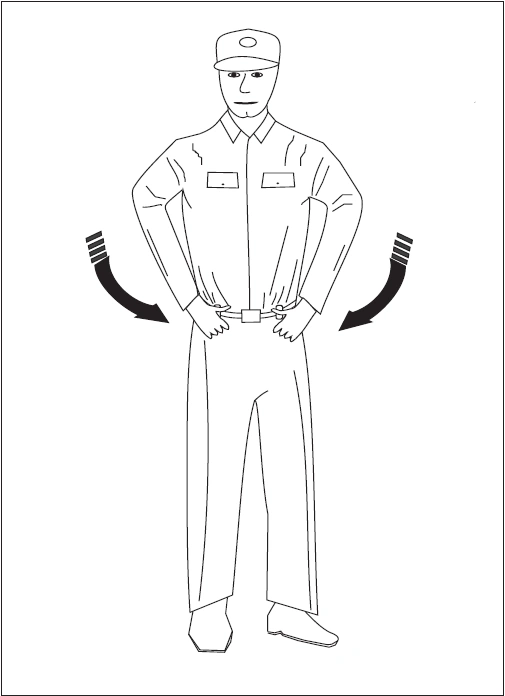
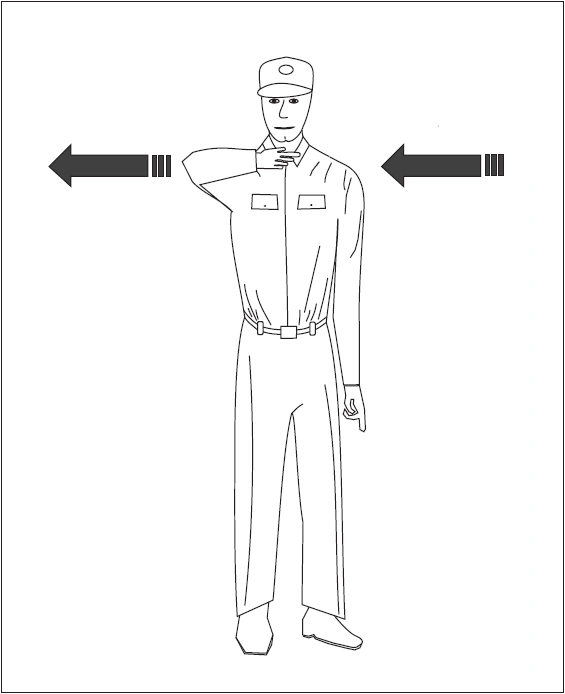
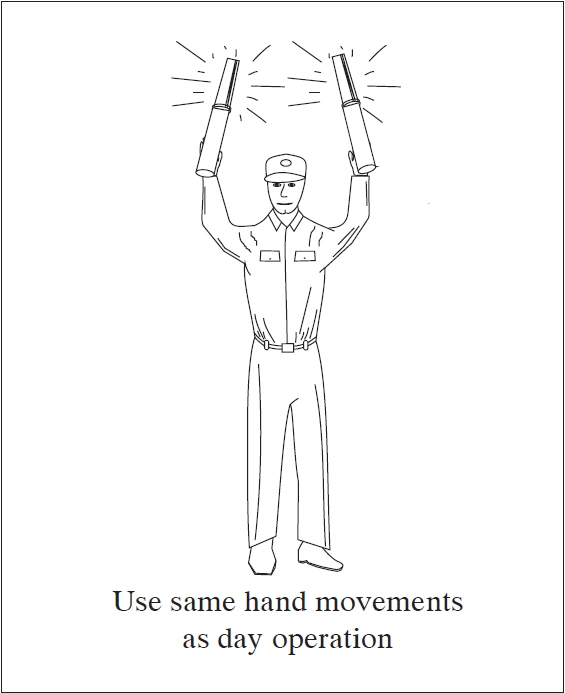
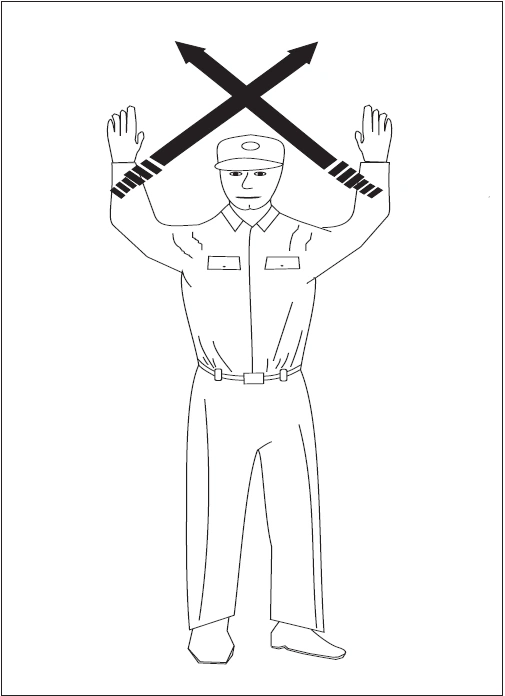
AIM 4-3-26 is FAA advisory guidance presenting standard ground hand signals used between a signalman and a pilot during ramp and towing operations. The referenced figures illustrate signals such as directing towing, all clear (O.K.), start engine, pull/insert chocks, proceed straight ahead, left and right turns, slow down, cut engines, night operation, and stop.
Research Notes
Common Questions
What ground hand signals does AIM 4-3-26 illustrate?
AIM 4-3-26 provides figures for signalman directs towing, signalman’s position, all clear (O.K.), start engine, pull chocks, proceed straight ahead, left turn, right turn, slow down, flagman directs pilot, insert chocks, cut engines, night operation, and stop.
Are there separate signals for chocks and engine operations?
Yes. Per AIM 4-3-26, distinct figures cover “pull chocks” (FIG 4-3-15) and “insert chocks” (FIG 4-3-21), as well as “start engine” (FIG 4-3-14) and “cut engines” (FIG 4-3-22), each a separate standardized hand signal.