
Aviation gasoline, commonly known as avgas, is a type of fuel that is used to power piston-engine aircraft. It is a high-octane fuel that is specially formulated to meet the requirements of aircraft engines. One of the most common types of avgas is 100LL, which stands for “100 low lead.” In this article, we will explore two common questions about 100LL avgas: how much it weighs and what color it is.
How much does 100LL weigh?
The weight of 100LL avgas depends on several factors, including temperature, pressure, and altitude. At standard temperature and pressure (STP), which is 15°C (59°F) and 1 atmosphere of pressure, 100LL avgas weighs approximately 6.02 pounds per gallon (0.72 kg/L). However, the weight of 100LL avgas can vary depending on the conditions in which it is stored and used.
For example, at higher temperatures, avgas expands and becomes less dense, which means that a gallon of avgas will weigh less. Conversely, at lower temperatures, avgas will contract and becomes denser, which means that a gallon of avgas will weigh more. Similarly, at higher altitudes, the pressure is lower, which can cause avgas to expand and become less dense. This is why pilots must make adjustments to their fuel calculations based on the altitude at which they will be flying.
In any case, the weight of 100LL avgas is an essential consideration for pilots when calculating their aircraft’s weight and balance. The weight of the fuel affects the overall weight of the aircraft. Which in turn affects its performance and handling characteristics. So, it’s not just a matter of making sure there’s enough fuel in the tank, although very essential. It’s a matter of making sure the fuel is distributed properly throughout the aircraft to ensure safe and efficient flight.

What color is 100LL avgas?
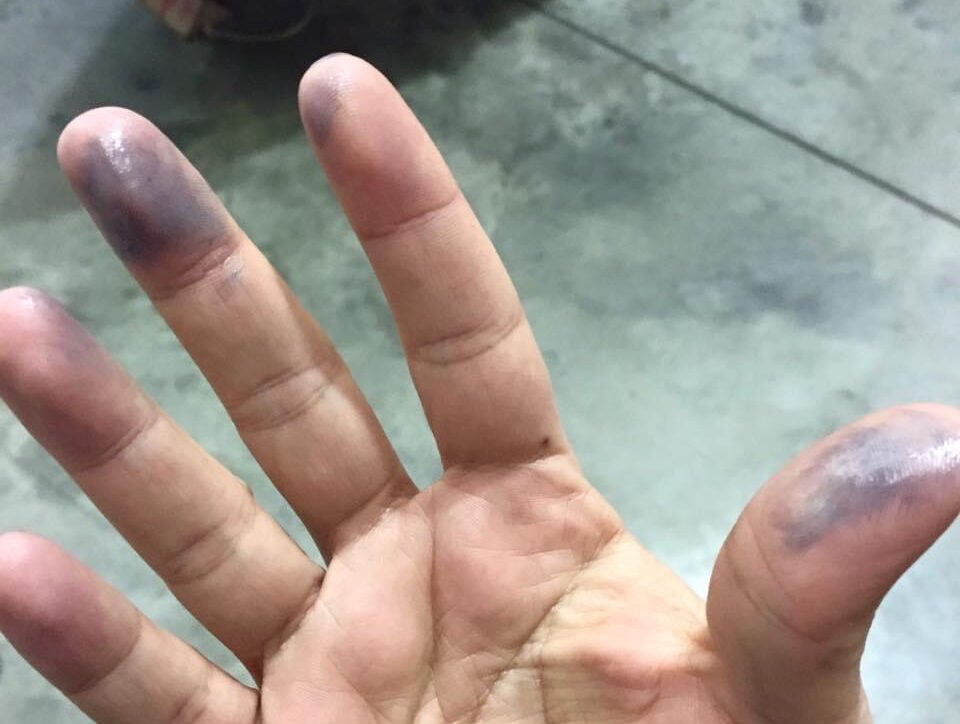
100LL avgas is typically dyed blue to distinguish it from other types of fuel, such as diesel and kerosene. The blue dye is added to the fuel during the manufacturing process. It is designed to be easily identifiable by pilots and ground crews. The blue color of 100LL avgas also serves as a safety feature. It makes it easy to spot any leaks or spills that may occur during fueling or maintenance operations.
It’s important to note that while 100LL avgas is typically blue in color, this may not always be the case. In some cases, the dye may fade or be removed due to exposure to sunlight or other environmental factors. This is why it’s important for pilots and ground crews to always verify the type of fuel being used before adding it to an aircraft.
In conclusion, 100LL avgas is a high-octane fuel that is commonly used to power piston-engine aircraft. Its weight can vary depending on the conditions in which it is stored and used. At standard temperature and pressure, it weighs approximately 6.02 pounds per gallon. 100LL avgas is typically dyed blue to distinguish it from other types of fuel. This makes it easy to spot any leaks or spills. However, it’s important to always verify the type of fuel being used before adding it to an aircraft to ensure the safety of all involved.
Interestingly enough, some pilots really enjoy the smell of 100LL to start their day. (Nothing beats the smell of 100LL in the morning.) There are even candles that mimic the smell of avgas. If you’re an aspiring pilot who wants to take off to the clouds (after fueling up of course), Angle of Attack is the perfect place to start your journey.

ON THE SAME TOPIC

Best Online CFI Prep in 2026: An Honest Battlecard (From a CFI Who Built One)
Best Online CFI Prep in 2026: An Honest Battlecard (From a CFI Who Built One) 31 min read Last updated May 2026 · Chris Palmer The best online CFI prep depends on what you actually need. King, Sporty’s, Sheppard Air, and Gleim were built to help you pass the written and the practical. TotalCFI was […]
 Read more
How Much Should a New CFI Charge in 2026? Real-World Pricing for Your First Year
How Much Should a New CFI Charge in 2026? Real-World Pricing for Your First Year 30 min read Last updated May 2026 · Chris Palmer Most new CFIs going independent or setting side-student rates in 2026 should open between $45 and $65 per hour in average markets, $65–$95 in major metros, and $35–$55 in slower […]
Read more 
The Real Hour-Building Strategy
G5 — Final Draft: The Real Hour-Building Strategy “`html 13 min read · Last updated May 2026 · By Chris Palmer Hour building as a CFI is the 12-to-24-month grind from your commercial certificate, around 250 hours, to ATP minimums of 1,500 hours, or 1,000 to 1,250 hours under the Restricted-ATP if you have an […]
Read more 
How to Get CFI Students: The $0-Budget Marketing Playbook
How to Get CFI Students: The $0-Budget Marketing Playbook 33 min read Last updated May 2026 · Chris Palmer Marketing yourself as a new CFI isn’t about Facebook ads or business cards — it’s about teaching well enough that your students don’t quit. Every retained student is 60+ hours of revenue and 2 to 3 […]
Read more 
Stay Connected
Be the very first to get notified when we publish new flying videos, free lessons, and special offers on our courses.
