
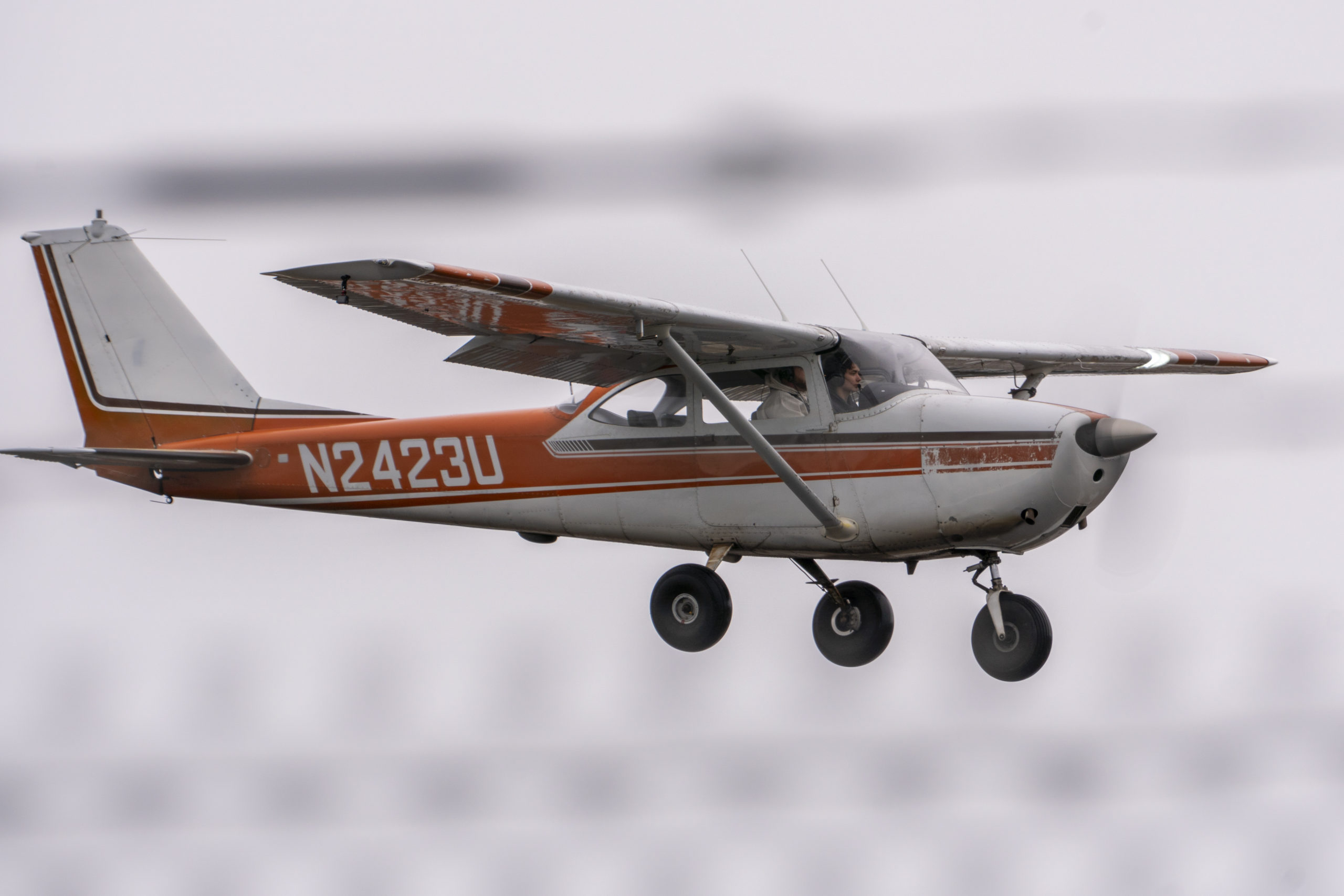
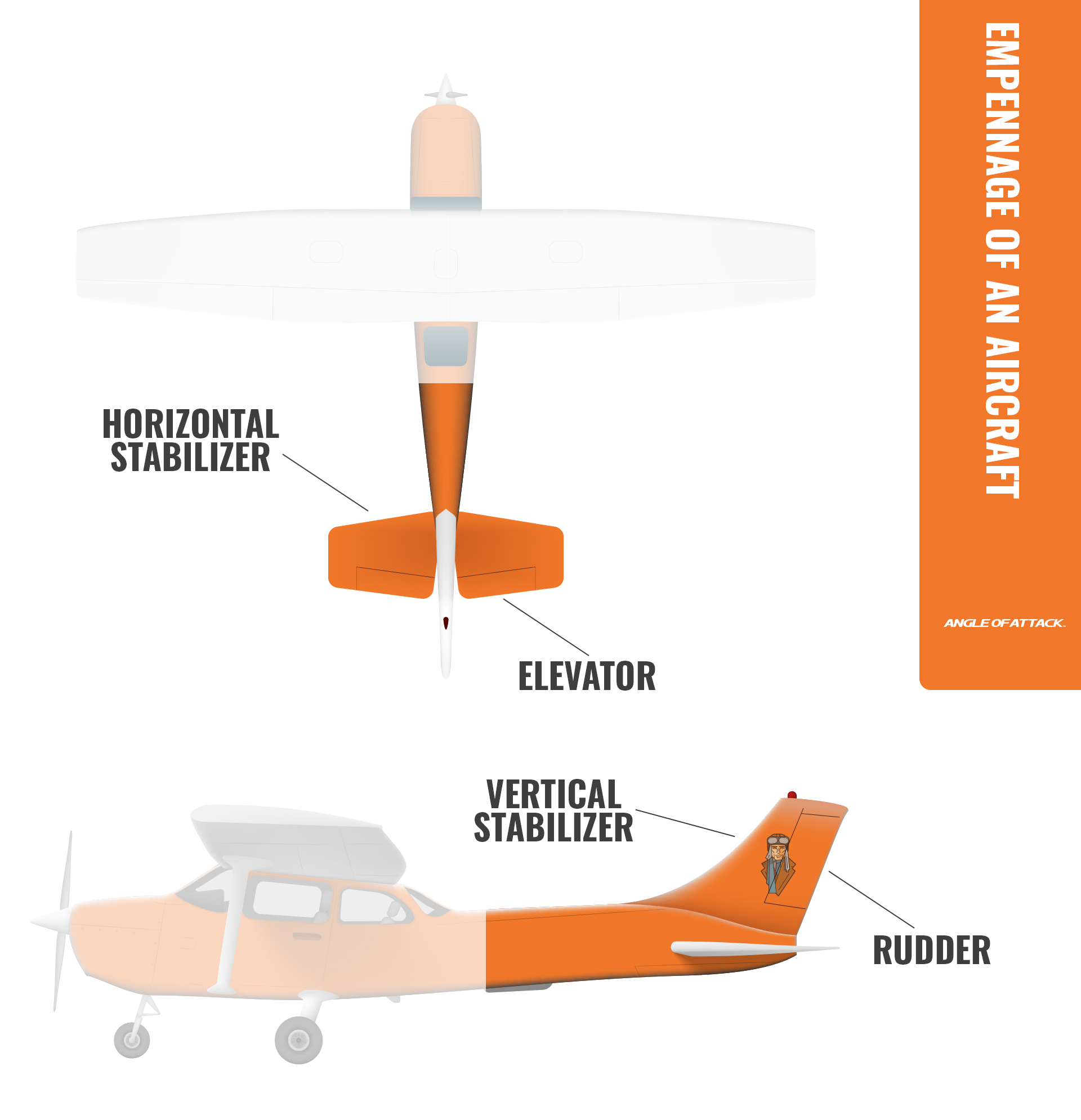
The empennage of an aircraft, also known as the tail section, is a critical part of an airplane’s design. It consists of horizontal and vertical stabilizers, which are the fixed surfaces at the rear of the aircraft. Then the movable control surfaces, such as the elevator and rudder, are attached to the stabilizers. The empennage plays a crucial role in an aircraft’s stability and control and its aerodynamic performance.
Differences between Horizontal and Vertical Stabilizers
The primary function of the empennage is to provide stability and control in flight. The horizontal stabilizer, which is usually located at the tail of the aircraft, provides stability in pitch. The elevator is attached to the trailing edge of the horizontal stabilizer. The elevator can be moved up or down to control the pitch of the aircraft. When the elevator is raised, the nose of the aircraft points up, causing the aircraft to climb. When the elevator is lowered, the nose of the aircraft points down, causing the aircraft to descend.

The vertical stabilizer, usually located at the aircraft’s tail and perpendicular to the horizontal stabilizer, provides stability in yaw. The rudder, which is attached to the trailing edge of the vertical stabilizer, can be moved left or right to control the yaw of the aircraft. When the rudder is deflected to the left, the tail of the aircraft moves to the left, causing the aircraft to turn left. When the rudder is deflected to the right, the tail of the aircraft moves to the right, causing the aircraft to turn right.
Aerodynamic Control
In addition to providing stability and control, the empennage also plays an important role in an aircraft’s aerodynamic performance. The shape and size of the empennage can have a significant impact on the aircraft’s drag, lift, and maneuverability. For example, a larger vertical stabilizer can provide more stability in yaw. That same larger vertical stabilizer can also increase drag, reducing the aircraft’s speed and fuel efficiency. A smaller vertical stabilizer can reduce drag but may compromise the aircraft’s stability.
Designed for Maneuverability
The design of the empennage can also affect an aircraft’s maneuverability. For example, a swept-back horizontal stabilizer can improve an aircraft’s roll response, making it easier to perform tight turns. A high-mounted horizontal stabilizer can improve an aircraft’s pitch stability, making it easier to maintain a steady altitude. A T-tail configuration, in which the horizontal stabilizer is mounted on top of the vertical stabilizer, can provide better performance at high speeds and at high angles of attack. Conversely, it can also be more complex and expensive to build.
The empennage of an aircraft is also subject to various forces and stresses during flight, including aerodynamic, structural, and mechanical forces. These forces can cause fatigue and wear over time, which can lead to structural damage and potential safety issues. To prevent these problems, the empennage and its components are carefully designed and tested to ensure they can withstand the expected loads and stresses of flight.
Other Empanage Purposes
In addition to its primary functions of stability, control, and aerodynamics, the empennage can also serve other purposes. For example, the vertical stabilizer can be used to mount antennas and other equipment. While the horizontal stabilizer can be used to mount engines or other payloads. The empennage can also be used to house fuel tanks or other systems, depending on the specific needs of the aircraft.
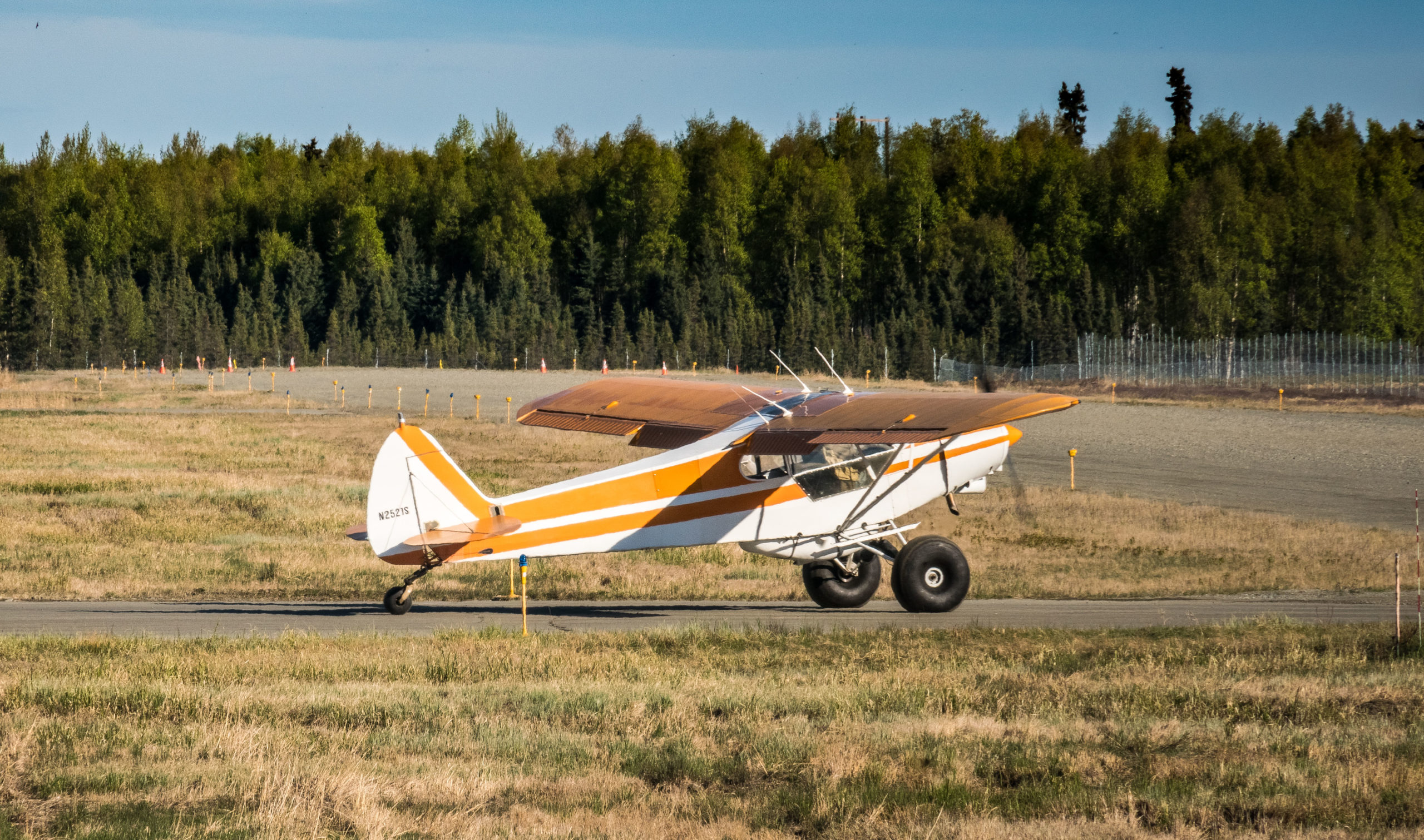 The empennage of an aircraft is a critical component of its design, providing stability, control, and aerodynamic performance. Its design and configuration can have a significant impact on an aircraft’s maneuverability, speed, and fuel efficiency. To ensure safety and reliability, the empennage and its components are carefully designed and tested to withstand the stresses and forces of flight. If you would like to learn more about empennages and their functions reach out to anyone at Angle of Attack for questions.

ON THE SAME TOPIC
How to Teach Steep Turns: The Easy Maneuver Students Get Wrong
How to Teach Steep Turns: The Easy Maneuver Students Get Wrong 27 min read Last updated May 2026 · Chris Palmer A steep turn is a constant-altitude 360-degree turn at 45 degrees or more of bank. The FAA uses it to test a pilot’s ability to coordinate, anticipate, and divide attention under load. Private pilots […]
 Read more
How to Teach Slow Flight
How to Teach Slow Flight 20 min read Last updated May 2026 · Chris Palmer Slow flight is maneuvering at an airspeed just above the stall warning, demonstrating the airplane’s flight characteristics on the back side of the power curve. Under the current Private Pilot ACS, the student flies five to ten knots above stall […]
Read more 
How to Teach Crosswind Landings: A New CFI’s Right-Seat Guide
How to Teach Crosswind Landings: A New CFI’s Right-Seat Guide 32 min read Last updated May 2026 · Chris Palmer A crosswind landing isn’t a wind problem — it’s a coordination problem. The new CFI’s job from the right seat is to coach a student through a continuous cross-controlled slip (aileron into the wind, opposite […]
Read more 
How to Teach Eights-on-Pylons: The Pivotal-Altitude Maneuver from the Right Seat
How to Teach Eights-on-Pylons: The Pivotal-Altitude Maneuver from the Right Seat 24 min read Last updated May 2026 · Chris Palmer Eights-on-pylons is the only commercial maneuver where the airplane’s altitude isn’t yours to pick. The physics picks it (Groundspeed² ÷ 11.3), and your job as the CFI is to make the student stop fighting […]
Read more 
Stay Connected
Be the very first to get notified when we publish new flying videos, free lessons, and special offers on our courses.
