CFII Privileges and Limitations: What an Instrument Flight Instructor Can Teach (2026 Guide)
 instrument flight at sunset — Angle of Attack CFII privileges and limitations" />
A CFII is a flight instructor who holds an instrument rating on their flight instructor certificate. Under 14 CFR 61.195(c), only a CFII may provide the dedicated instrument training required for an instrument rating, give an Instrument Proficiency Check, or endorse a student for the instrument knowledge or practical test. A regular CFI cannot. That’s the whole privilege envelope in one paragraph, and most of what the flight forums say about it (especially the 200-hour rule) is wrong.
- A CFII isn’t a new certificate. It’s the instrument rating added to your existing flight instructor certificate. One document, two ratings, and the recent-experience you establish under 14 CFR 61.197 covers all ratings on it (post-December 2024, the certificate no longer expires).
- The “you need 200 PIC hours before you can give instrument instruction” rule is wrong. 14 CFR 61.195(c) has no PIC-hour requirement. The 200-hour rule lives in 61.195(h)(2)(i)(A) and applies only to CFIs training initial flight instructor applicants.
- Only a CFII can give the 15 hours of instrument training that count toward the instrument rating under 14 CFR 61.65(d)(2). And per the FAA Chief Counsel’s 2016 Rohlfing interpretation, a non-CFII CFI can give the 3 hours of pre-private instrument training under 14 CFR 61.109(a)(3) — those hours count toward the 40-hour instrument total, but not toward the 15 hours of CFII-given training.
- A CFII can give Instrument Proficiency Checks under 14 CFR 61.57(d). The IPC endorsement is one of the most reliable revenue lines for an active CFII.
- The airplane CFII checkride is still administered under the PTS (FAA-S-8081-9E), effective May 31, 2024, not the new CFI ACS. Only the Powered-Lift CFII has moved to ACS (FAA-S-ACS-28).
- Add-on CFII practical pass rate runs around 88-90% nationally per third-party DPE aggregators (FAA does not publish add-on CFII pass rates separately). Typical add-on cost: $2,880-$9,000. Typical time: 7-30 dual hours, 2-4 weeks. No FOI retake required (61.183(e)).
Walking into your first lesson with a 50-page binder won't help you.
Get my Anti-Binder One-Page Lesson Plan Template free — the lesson plan tool I built for CFI candidates who want to be ready Day 1.
Get the Anti-Binder Template Free
WHAT'S IN THIS GUIDE
- 1What Is a CFII? (And How It Differs From a CFI)
- 2What Are the Privileges of a CFII?
- 3What Are the Limitations of a CFII? (And the 200-Hour Myth)
- 4CFI vs CFII: What Each Lets You Teach
- 5How Do You Add the CFII Rating?
- 6What Does the CFII Checkride Include?
- 7Can a CFII Teach in Any Aircraft?
- 8The One Thing Nobody Tells You About Teaching IFR
- 9Should You Get Your CFII? (The ROI Math)
- 10Frequently Asked Questions
What Is a CFII? (And How It Differs From a CFI)

CFII stands for Certified Flight Instructor–Instrument. The FAA’s own language is plainer than the acronym: a CFII is “a flight instructor with an instrument rating.” Same flight instructor certificate. Different rating.
This is the part most candidates miss. There is one flight instructor certificate. The CFI and the CFII are not two separate cards in your wallet. They are two ratings on the same card. The MEI works the same way: another rating on the same certificate. When you establish the recent experience required to exercise CFI privileges every 24 calendar months, that experience covers all ratings on your flight instructor certificate at once under 14 CFR 61.197. (Post-December 2024 the certificate no longer expires; you maintain recent experience, not a renewal.) If this is news to you, see the CFI/CFII recent-experience cycle article for the full mechanics.
So adding the CFII isn’t “upgrading” your CFI. It’s adding a second scope of teaching authority to a certificate you already hold. The scope you’re adding is instrument flight, and that scope is wider than most CFI candidates realize.
The parent article on this site, the broader CFI privileges and limitations article, covers what every flight instructor can do regardless of additional ratings. This article is the CFII slice: what the instrument rating on your CFI certificate unlocks.
What Are the Privileges of a CFII?

The umbrella privilege regulation for any flight instructor is 14 CFR 61.193. It authorizes the certificate holder, “within the limitations of that person’s flight instructor certificate and ratings,” to give training and endorsements required for a student pilot certificate, a pilot certificate, a flight instructor certificate, a ground instructor certificate, an aircraft rating, an instrument rating, a flight review, a practical test, and a knowledge test.
That phrase “within the limitations of that person’s flight instructor certificate and ratings” is the linchpin. It means you can endorse a student for the instrument knowledge test only if you have an instrument rating on your flight instructor certificate. You can train a student for the instrument practical test only if you have the instrument rating on your flight instructor certificate. The privileges are real, but they’re gated by the rating itself.
The instrument-instruction authority specifically lives in 14 CFR 61.195(c):
“Instrument rating. A flight instructor may conduct instrument training for the issuance of an instrument rating, a type rating not limited to VFR, or the instrument training required for commercial pilot and airline transport pilot certificates if the following requirements are met: (1) Except as provided in paragraph (c)(2) of this section, the flight instructor must hold an instrument rating appropriate to the aircraft used for the instrument training on his or her flight instructor certificate…”
Read that twice. The requirement is the instrument rating on the flight instructor certificate. Nothing about PIC hours. Nothing about a minimum time-as-CFI. Just the rating.
Here are the six specific privileges only a CFII has:
- The full instrument rating curriculum. Specifically: under 14 CFR 61.65(d)(2), 15 of the 40 instrument hours required for an instrument rating must come from “an authorized instructor who holds an instrument-airplane rating.” That’s a CFII. A non-CFII CFI cannot give those 15 hours.
- The instrument-instruction portion of commercial pilot and ATP training. 14 CFR 61.195(c) again: instrument instruction “required for commercial pilot and airline transport pilot certificates.”
- The instrument knowledge test endorsement. Per the current endorsement guide, AC 61-65K (effective November 14, 2025, superseding AC 61-65J). Only a CFII can sign it.
- The instrument practical test endorsement. Same source: AC 61-65K Appendix A. CFII only.
- The Instrument Proficiency Check (IPC). 14 CFR 61.57(d) authorizes an “authorized instructor” to conduct the IPC. A CFII current in the appropriate aircraft can give the IPC, complete the AC 61-65K IPC endorsement, and restore an instrument pilot to currency. AC 61-65K also added explicit guidance: if a pilot doesn’t meet the FAA Aviation English Language Standard (AELS) during the IPC, you withhold the endorsement. For an active CFII, IPCs are the steadiest line of business between primary students.
- A separate point on the 3 pre-private hours under 14 CFR 61.109(a)(3). This is the most-misquoted point in the cluster. Those 3 hours of “control and maneuvering of an airplane solely by reference to instruments” toward the private pilot certificate require an “authorized instructor” — not specifically a CFII. The FAA Chief Counsel’s 2016 Rohlfing Legal Interpretation confirmed that a non-CFII CFI can give those 3 hours. The catch: those hours later count toward the 40-hour instrument total under §61.65(d)(2), but they do not count toward the 15 hours of CFII-given instrument training. The myth runs both ways. Get the citation right.
For the full reference on CFII-specific endorsements, see the master CFI endorsements list and the full endorsement reference for the broader endorsement universe.
What Are the Limitations of a CFII? (And the 200-Hour Myth)

First, kill the myth.
The 200-hour PIC requirement does not exist for instrument instruction. It does not exist for IPCs. It does not exist for endorsing students for the instrument written or practical. There is no “200 hours of PIC time before you can teach instruments” rule in 14 CFR 61.195(c). Paragraph (c) has no PIC-hour requirement at all.
The 200-hour rule does exist, but it lives in 14 CFR 61.195(h)(2)(i)(A):
“For training in preparation for an airplane, rotorcraft, or powered-lift rating, have given at least 200 hours of flight training as a flight instructor.”
Read it carefully. That rule is about flight training given as a flight instructor, not pilot-in-command hours, and it applies to flight instructors training initial flight instructor applicants (i.e., teaching a new CFI). It is not about teaching instruments. It has been on flight forums and in flight-school orientation talks for years, mis-attributed and mis-explained, and it costs new CFIs months of avoidable hour-building. If anyone tells you that you need 200 PIC hours before you can teach instruments, ask them for the citation. They’ll either go quiet or quote 61.195(h) at you, which doesn’t say what they think it says.
With that out of the way, here are the actual limitations of a CFII:
- General 61.195 limits apply. No more than 8 hours of flight instruction in any rolling 24-consecutive-hour period (per §61.195(a)) — not per calendar day. Must hold an FAA medical certificate appropriate to your privileges when acting as PIC or required crew. Standard flight-instructor restrictions.
- Instrument current to teach in actual IMC. Under 14 CFR 61.57(c) you need 6 instrument approaches, holding procedures and tasks, and intercepting-and-tracking work in the preceding 6 calendar months. When you’re teaching in actual instrument conditions, you’re the acting PIC under IFR. You have to be current.
- Instrument current to give an IPC. Same regulation. You cannot give a check you can’t pass yourself.
- Hood/foggle teaching in VMC: a stacked role. When you’re teaching under the hood in VMC, you’re acting as a safety pilot under 14 CFR 91.109(b) (with the safety-pilot’s own currency-of-flight rules) AND as an instructor under 61.193 (with the instructor’s own privileges and limitations). The roles stack. You don’t legally need to be 61.57(c)-current to play safety pilot. But if you’re not current and proficient yourself, you can’t teach the material competently. The regulation lets you off; your students’ lives do not.
- Instrument rating appropriate to the aircraft. The instrument rating on your flight instructor certificate has to match the category and class you’re teaching in. Single-engine airplane CFII teaches in single-engine airplanes. Multi-engine instrument instruction requires CFII + MEI (more on that in the aircraft section below).
- Aircraft rated and current. Same rule that applies to every CFI: you must be rated and current in the aircraft you’re teaching in.
CFI vs CFII: What Each Lets You Teach
Here’s the scope clarity in one table. Same flight instructor certificate, two columns. The difference is whether the instrument rating is on the certificate.
| Teaching scope | CFI (no instrument rating on certificate) | CFII (instrument rating on certificate) |
|---|---|---|
| Primary/private pilot ground and flight training | Yes | Yes |
| The 3 hours of pre-private instrument training (61.109(a)(3)) | Yes (per Chief Counsel Rohlfing 2016) | Yes |
| The 15 hours of instrument training under 61.65(d)(2) | No | Yes |
| Commercial pilot training (VFR portion) | Yes | Yes |
| Instrument portion of commercial pilot training | No | Yes |
| Full instrument rating curriculum | No | Yes |
| Instrument knowledge test endorsement (AC 61-65K) | No | Yes |
| Instrument practical test endorsement (AC 61-65K) | No | Yes |
| Instrument Proficiency Check (61.57(d)) | No | Yes |
| Instrument portion of ATP training | No | Yes |
| Multi-engine training (if MEI) | Optional add-on | Optional add-on |
| Spin endorsement | Yes (if you have it on your CFI) | Yes (if you have it on your CFI) |
| Flight reviews | Yes | Yes |
The full decision walkthrough lives in the full CFI vs CFII decision guide and the deeper “what every CFI can teach” piece in what a regular CFI can teach. This table is the at-a-glance reference. The most-missed row is the first one: a non-CFII CFI can legally give the 3 pre-private hours under §61.109(a)(3) — but only a CFII can give the 15 hours under §61.65(d)(2) that count toward the instrument rating itself.
That’s why most CFIs add CFII inside their first 12 months. The pure economics push you toward it, and so does the day-to-day reality of taking flight reviews from instrument-rated pilots who want their IPC at the same appointment.
How Do You Add the CFII Rating?
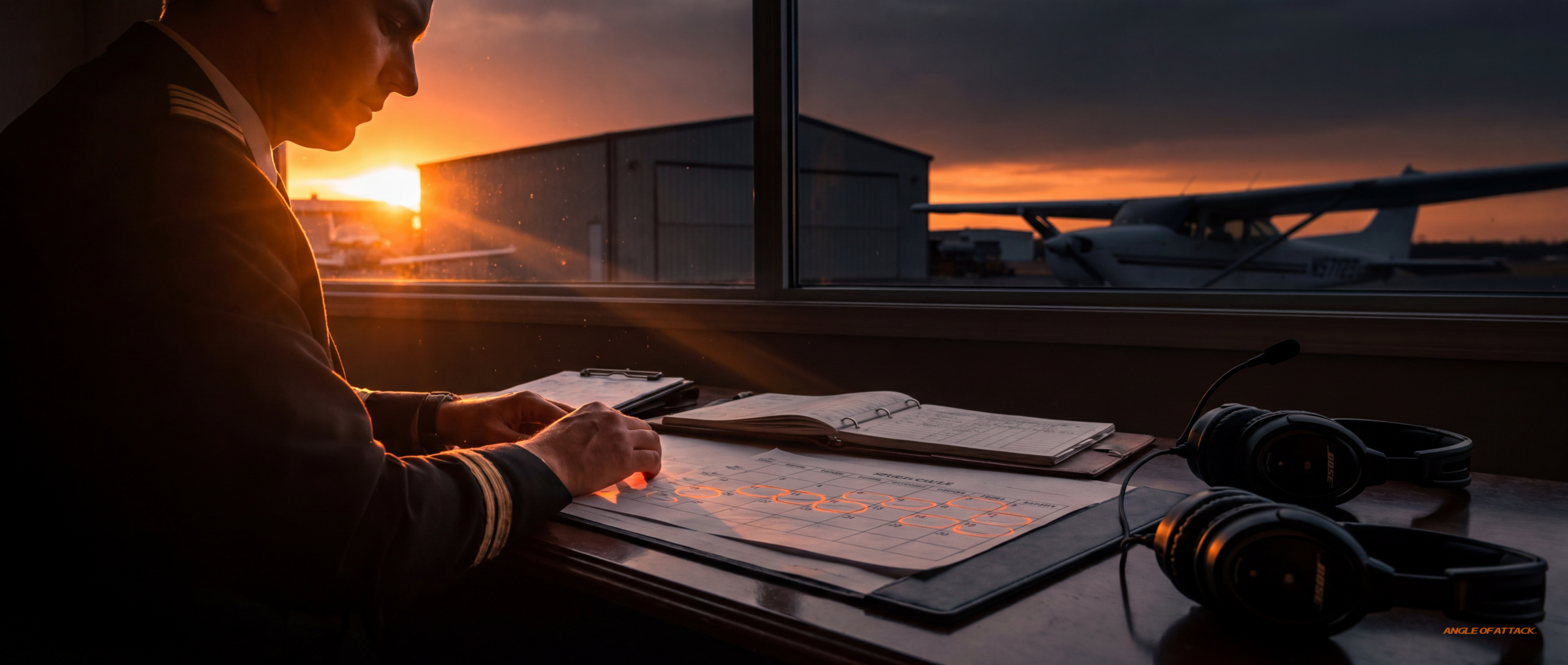
Adding the CFII is one of the cleanest add-on paths in the FAR. The full prerequisite walkthrough is in the full CFI prerequisites checklist. This is the CFII-specific path on top of that.
Prerequisites (per 14 CFR 61.183 and 61.65):
- Already hold a current CFI certificate in the appropriate category and class
- Hold an instrument rating on your pilot certificate in the appropriate category and class
- Meet the recent-experience requirements appropriate to instrument flight
- English proficiency, age 18+, and an FAA medical OR BasicMed when acting as PIC or required crew per 14 CFR 61.23. When teaching with the student as legal PIC and not serving as required crew, no medical is needed at all — but for IFR instruction in actual IMC, the CFII is acting as PIC, and the medical-or-BasicMed rule kicks in.
The 5-step sequence:
- Confirm prerequisites. You’re already a CFI in good standing. You hold the underlying instrument rating on your pilot certificate. You’re instrument-current under 61.57(c). You have a valid medical (or BasicMed eligibility, with the PIC-vs-non-PIC distinction above).
- Ground prep. Study for the FII (Flight Instructor Instrument Airplane) knowledge test. Review the 10 areas of operation in 14 CFR 61.187(b)(7). These are the topics the examiner will pull from. Review the Flight Instructor Instrument PTS, FAA-S-8081-9E (effective May 31, 2024), cover to cover.
- Take the FII knowledge test. You don’t have to retake the FOI under 14 CFR 61.183(e). That exemption applies to anyone who already holds a flight or ground instructor certificate. The only written you sit for is the FII.
- Complete dual training. No FAA-minimum hour requirement for add-on CFII training. Most flight schools deliver in 7-15 dual hours for a prepared candidate; the accelerated 3-5-day programs compress this with intensive pre-arrival ground prep.
- Pass the practical test. Oral plus flight under 14 CFR 61.45 aircraft and equipment standards, administered to the PTS-9E for airplane. The airplane CFII has not moved to ACS yet; only Powered-Lift has, under FAA-S-ACS-28.
Time and cost (verified May 2026):
- Training time: 7-30 dual hours typical. 2-4 weeks at most flight schools. 3-5 day accelerated programs available for candidates with strong instrument currency.
- Total cost: $2,880-$9,000 add-on. The variance is mostly aircraft rental. Typical accelerated CFII: $4,000-$6,000 all-in.
The path is clean. The hardest part is mental. Most CFIs delay because they’ve been told there are hidden prerequisites that don’t exist.
What Does the CFII Checkride Include?

The reference document for the airplane CFII checkride is the Flight Instructor Instrument Practical Test Standards, FAA-S-8081-9E (effective May 31, 2024). Note what it is not: it is not an ACS. The new initial CFI airplane ACS (FAA-S-ACS-25, effective May 31, 2025) does not govern the CFII checkride. The only CFII ACS in existence is for Powered-Lift (FAA-S-ACS-28). Most “CFII checkride guide” articles online get this wrong. Verify against the FAA’s testing standards page before you trust anyone’s reference list.
The 10 areas of operation per 14 CFR 61.187(b)(7):
- Fundamentals of instructing
- Technical subject areas
- Preflight preparation
- Preflight lesson on a maneuver to be performed in flight
- Air traffic control clearances and procedures
- Flight by reference to instruments
- Navigation aids
- Instrument approach procedures
- Emergency operations
- Postflight procedures
The teaching-from-the-right-seat reality: on the practical, you’re acting as PIC. The examiner is playing the role of an instrument student. You’re teaching the lesson while flying the airplane while watching the examiner-as-student for the inevitable distractions and errors they’ll inject. Partial-panel teaching demonstrations are a common discriminator. The examiner kills your attitude indicator (or your HSI) and watches you teach a recovery while flying it yourself.
Pass rate context. Add-on CFII practicals pass at approximately 88-90% nationally per third-party DPE-pass-rate aggregators; the FAA does not publish a separate add-on CFII pass rate. By comparison, the initial CFI practical sits closer to 75% under Part 61 and around 90% under Part 141. The add-on pass rate is higher because you’re already an evaluated, certificated instructor. The examiner is assessing your instrument-specific teaching ability, not your fundamental capacity to instruct.
The “license to learn” idea applies just as much here. You walk out of the CFII checkride certified to teach instruments. You walk into your first IFR lesson and realize you’re still learning how to teach them. That gap is the work.
Can a CFII Teach in Any Aircraft? (Aircraft Requirements)

A CFII can teach instrument flying in any aircraft they are:
| Requirement | Source | Notes |
|---|---|---|
| Rated for in the appropriate category and class on their flight instructor certificate | 61.195(b) | Single-engine airplane CFII teaches in single-engine airplanes |
| Current in the aircraft per the FAR currency rules | 61.57 | Both pilot and instrument currency apply |
| Holding the underlying pilot certificate category and class rating | 61.195(b)(2) | Standard flight-instructor rule |
| For practical tests: the aircraft must meet 61.45 standards | 61.45 | U.S. registry, appropriate equipment, no operating limitations that prohibit any area of operation |
| For multi-engine instrument instruction: must also hold a multi-engine instructor (MEI) rating | 61.195(c)(2) | CFII alone is not enough for multi-engine instrument |
The line that catches the most new CFIIs is the multi-engine one. If you want to teach instrument flight in a Seneca, a Baron, or any twin, you need CFII + MEI, not just CFII. The MEI is the next rating most career-track CFIs add after CFII. If multi-engine instruction is in your plan, see the MEI privileges and limitations article for the next step.
The One Thing Nobody Tells You About Teaching IFR

Being a strong instrument pilot does not make you a strong instrument instructor. That’s the honest sentence the flight-school orientation glosses over. The CFI checkride proves you can teach. The CFII checkride proves you can teach instruments to a quiet examiner under ideal conditions. The first real IFR lesson is the one that teaches you the difference.
The difference is workload distribution. Teaching VFR, your workload as an instructor is heavy on observation and light on flying. Your student is looking outside, the airplane is mostly stable, you can watch them and coach them. Teaching IFR, your student is hood-blind, head-down, partially overloaded, and every cognitive cycle they spend on the airplane is one they can’t spend listening to ATC. Meanwhile you’re tracking the clearance, watching the panel for what they’re missing, monitoring weather, anticipating the next vector, and teaching, in a voice that doesn’t add to their workload.
It is a different job. The lesson-plan structure looks the same. The framework (preflight brief, fly the maneuver, debrief) looks the same. The teaching is different. The pace is different. The kind of attention you have to hold is different. You’ll feel it the first time you teach an approach in IMC and realize you’re using 30% of your bandwidth to fly and 70% to teach, and the 70% needs to feel calm and unhurried even though it’s not.
This is where Restorative Airmanship kicks in. Calm as a skill. Composure is trained, not innate. Teaching IFR is one of the highest-yield places to train it because the airplane will not be quiet, the radio will not be quiet, and your student will not be quiet, but your teaching voice has to be. The student will mirror your tempo. If you sound rushed, they’ll feel rushed. If you sound calm, they will (eventually) become calm.
The CFII makes you Day-one ready to teach instruments, but only if you’ve trained the teaching, not just the flying. This is exactly the gap TotalCFI was built around for the initial CFI, and the same principles transfer cleanly when you add the CFII: a lesson plan you can teach on one page, a calm tempo, an Anti-Binder method that doesn’t drown the student in regs. For the lesson structure that holds up under IFR workload, see the six-box lesson plan.
Should You Get Your CFII? (The ROI Math)

For most new CFIs, the answer is yes, and yes faster than you’d guess. Here are the three reasons.
Hour-building advantage
Instrument students fly more cross-country, more night, more actual instrument time, and more total dual than primary students. The CFII unlocks a student pool that puts you on the path to the R-ATP (1,000 hours with a qualifying degree) or the unrestricted ATP (1,500 hours) faster than primary-only instruction does.
There’s also a hidden compound interest: every cross-country hour your instrument student logs toward their 50-hour §61.65(d) cross-country PIC also counts toward the 50 hours of cross-country PIC they’ll need for the commercial pilot certificate under §61.129(a)(2)(i). You’re paid to fly hours that build your hours AND build your student’s hours toward their next rating. Hour-building stacks.
Hourly rate uplift
Verified May 2026 data:
- Entry-level CFI alone: $25-$40/hour
- CFI + CFII (with 500+ dual given): $40-$70+/hour
- CFI + CFII + MEI: $50-$85/hour
The break-even math: $3,000-$5,000 to add the rating, then $15-$25/hour more on every dual-given hour. You’re break-even at 100-200 dual-given hours, which most full-time CFIs hit in 2-4 months. After that, every dual-given hour is pure uplift.
Career signal
When you submit to a regional airline application, the time-as-instructor box and the dual-given totals matter. Both grow faster with CFII students than with VFR-only primary students. The R-ATP/ATP math depends on hours, and the CFII gets you paid to log them.
The honest fourth reason
The CFII will make you a better CFI. The instrument rating is the rating where pilots learn to think: to manage workload, prioritize tasks, and maintain composure when the picture gets noisy. Teaching that material trains your own discipline of attention. You’ll catch yourself teaching primary students differently after six months of teaching IFR. Cleaner scans. More deliberate callouts. Less ambient noise in the cockpit. That’s transfer that doesn’t show up in your logbook but shows up in your students’ progress.
Most CFIs add the CFII inside 6-12 months of their initial CFI. Adding it sooner is rarely a mistake. The cost recovers fast, the teaching skill compounds, and the rate uplift starts on the first lesson with your first instrument student.
For the broader career-stage decision frame, see the pillar CFI guide.
Frequently Asked Questions
What can a CFII teach that a regular CFI cannot?
A CFII can teach the full instrument rating curriculum (including the 15 hours of CFII-given instrument training required under 14 CFR 61.65(d)(2)), give Instrument Proficiency Checks under 14 CFR 61.57(d), endorse students for the instrument knowledge and practical tests, and provide the instrument-instruction portion of commercial pilot and ATP training. A CFI without the instrument rating on their flight instructor certificate cannot do any of those. (Note: the 3 hours of pre-private instrument training under §61.109(a)(3) may be given by a non-CFII CFI per the FAA Chief Counsel’s 2016 Rohlfing interpretation — but those hours only count toward the 40 total instrument hours, not toward the 15 hours of CFII-given instrument training under §61.65(d)(2).)
Do I need 200 hours of PIC time before I can give instrument instruction?
No. This is a common misreading of 14 CFR 61.195. Paragraph (c), the part about instrument instruction, only requires that you hold an instrument rating on your flight instructor certificate. There is no PIC-hour requirement in paragraph (c). The 200-hour rule lives in paragraph (h)(2)(i)(A) and applies to flight instructors who train initial flight instructor applicants (teaching a new CFI), not to general instrument instruction.
Can a CFII give an Instrument Proficiency Check?
Yes. Under 14 CFR 61.57(d), an IPC may be conducted by an examiner, a Part 121/125/135 company check pilot, U.S. Armed Forces authorized personnel, an authorized instructor (which includes a current CFII with the appropriate instrument rating), or another person approved by the Administrator. The IPC endorsement is in AC 61-65K, Appendix A.
Does a CFII have to be instrument current to teach?
It depends. To give instrument instruction in actual instrument meteorological conditions (IMC), yes. You’re the acting PIC under IFR and must satisfy 14 CFR 61.57(c) currency. To give an IPC, yes. You must be current yourself. To teach simulated instrument flight (under the hood) in visual meteorological conditions (VMC), technically no — you’re a safety pilot under §91.109(b), not the IFR PIC. Professionally, though, if you’re not current and proficient yourself, you can’t teach the material competently.
How much does it cost and how long does it take to add the CFII?
Typical add-on CFII training runs 7-30 dual hours over 2-4 weeks, costing $2,880-$9,000 depending on the flight school. Accelerated programs can compress training to 3-5 days with intensive pre-arrival ground prep. The FAA has no minimum-hours requirement for adding the rating. Flight schools set their own.
Do I have to retake the FOI knowledge test to add my CFII?
No. 14 CFR 61.183(e) exempts add-on flight instructor applicants from retaking the FOI knowledge test if they already hold a flight or ground instructor certificate. The only written test required for the CFII add-on is the FII (Flight Instructor Instrument Airplane) knowledge test.
Is the CFII checkride hard?
The add-on CFII practical test passes at approximately 88-90% nationally per third-party DPE-pass-rate aggregators (the FAA does not publish add-on CFII pass rates separately), comparable to other add-on ratings and significantly higher than initial CFI practicals (about 75% under Part 61 and around 90% under Part 141). The reason: you’re already an evaluated instructor; the examiner is mostly assessing your ability to teach instrument-specific material, not your fundamental teaching ability. The airplane CFII is still administered under the PTS (FAA-S-8081-9E, effective May 31, 2024), not an ACS. Only the Powered-Lift CFII has moved to ACS (FAA-S-ACS-28).
Can a CFII teach instrument flying in any aircraft?
A CFII can teach instrument flying in an aircraft they are (a) rated for on their flight instructor certificate in the appropriate category and class, (b) current in per 14 CFR 61.57, and (c) for multi-engine instrument instruction, also hold a multi-engine instructor (MEI) rating per 14 CFR 61.195(c)(2). For practical tests, the aircraft must meet 14 CFR 61.45 standards.
If the CFI checkride is keeping you up at night, you're prepping for the wrong thing.
TotalCFI teaches you to walk into the oral as a teacher, not a test-taker — the reframe most candidates only figure out after they've already failed once.
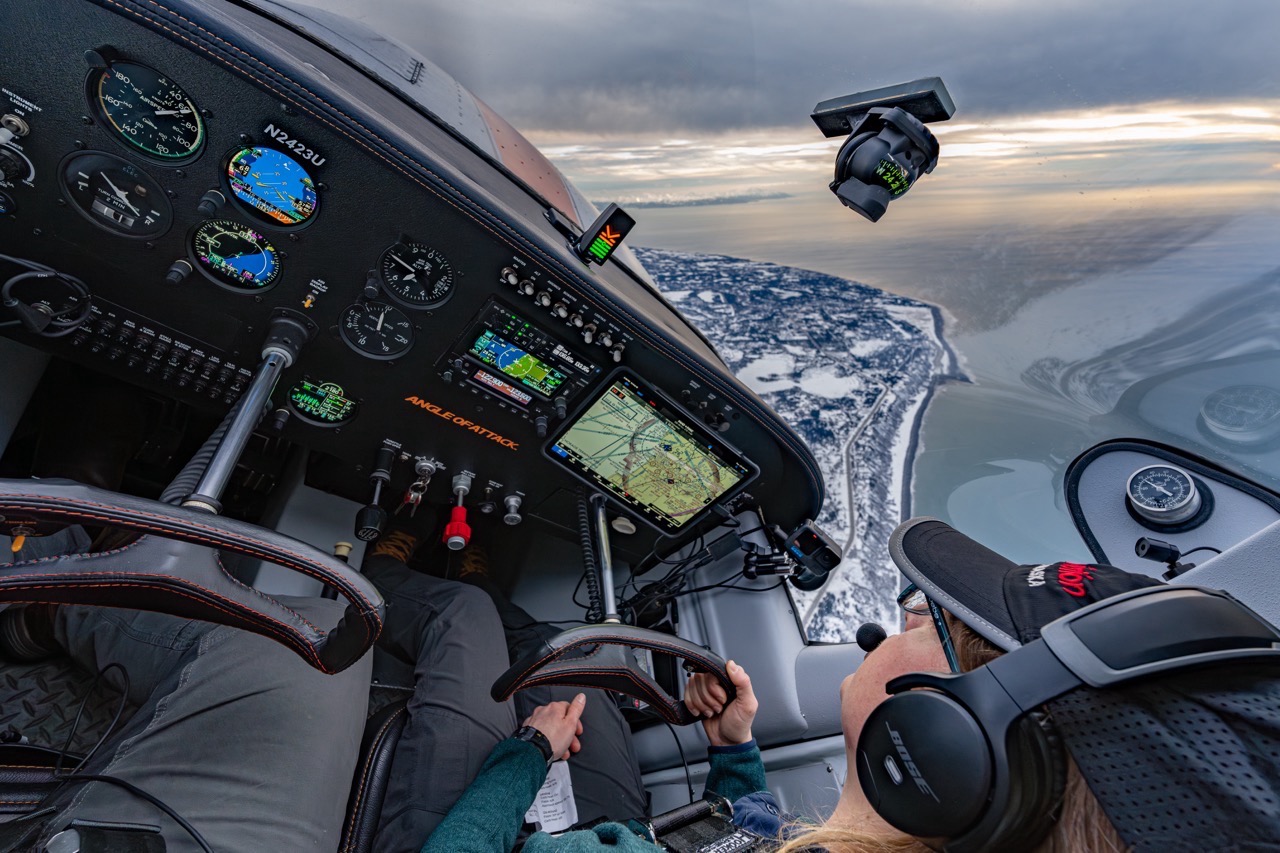
The CFII is a second teaching scope on the same flight instructor certificate. The forums get the limitations wrong, the regulations are cleaner than people say, and the math works out. Add it inside your first year. Train the teaching, not just the flying. And remember: a certificate is a license to learn. The CFII makes you legal to teach instruments. The work after that is what makes you good at it.